Phobjikha Valley
A glacial valley of open grassland and pine forest, best known as the winter home of the rare black-necked crane.
Overview
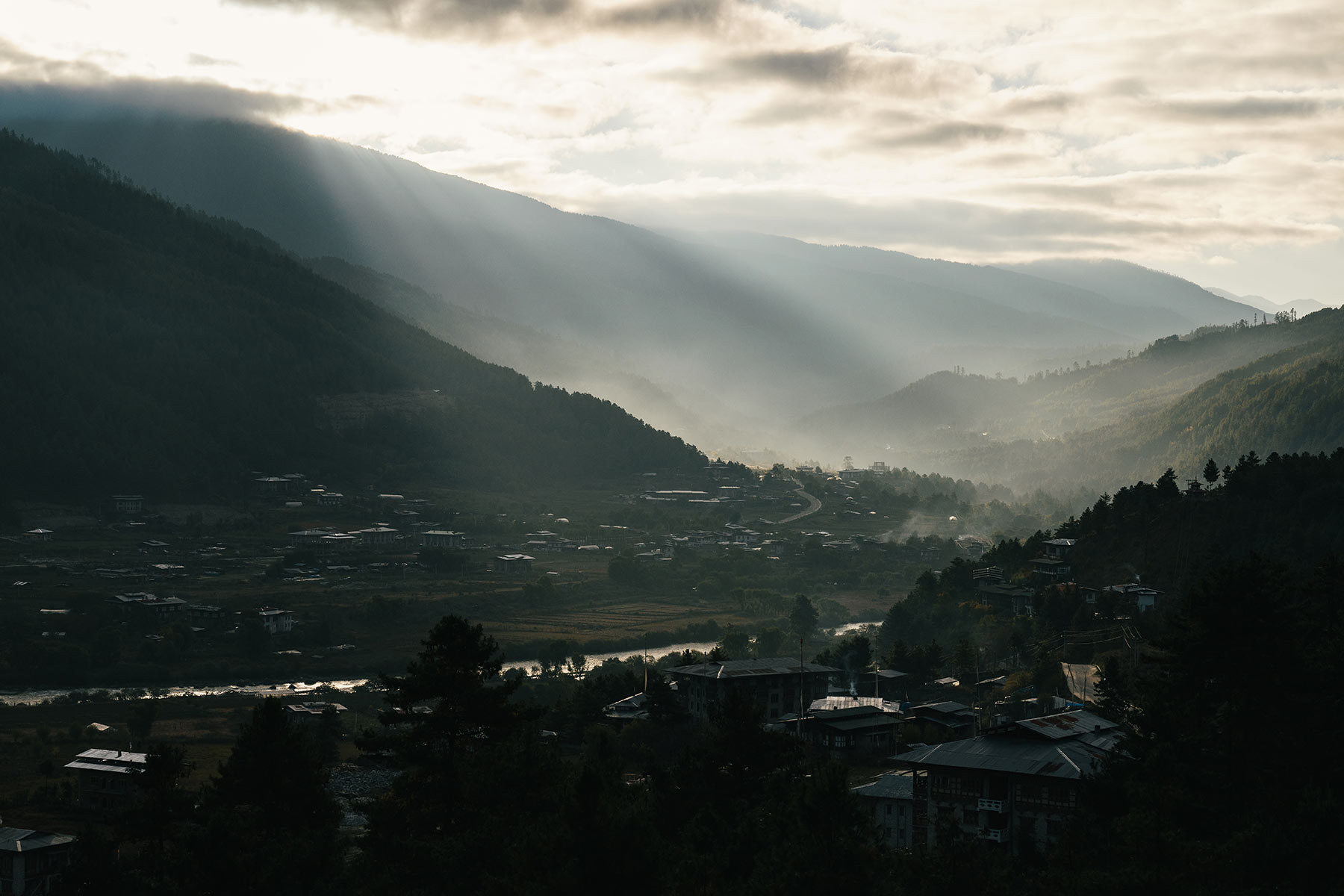
A wide, U-shaped glacial valley with no visible power lines — they're buried underground to protect the valley's most famous winter visitors, the endangered black-necked cranes that migrate here from the Tibetan plateau each year. Outside crane season, Phobjikha is simply one of Bhutan's most peaceful landscapes: open grassland, scattered farmhouses, and pine forest climbing the slopes.
Highlights
- Wintering grounds of the rare, endangered black-necked crane
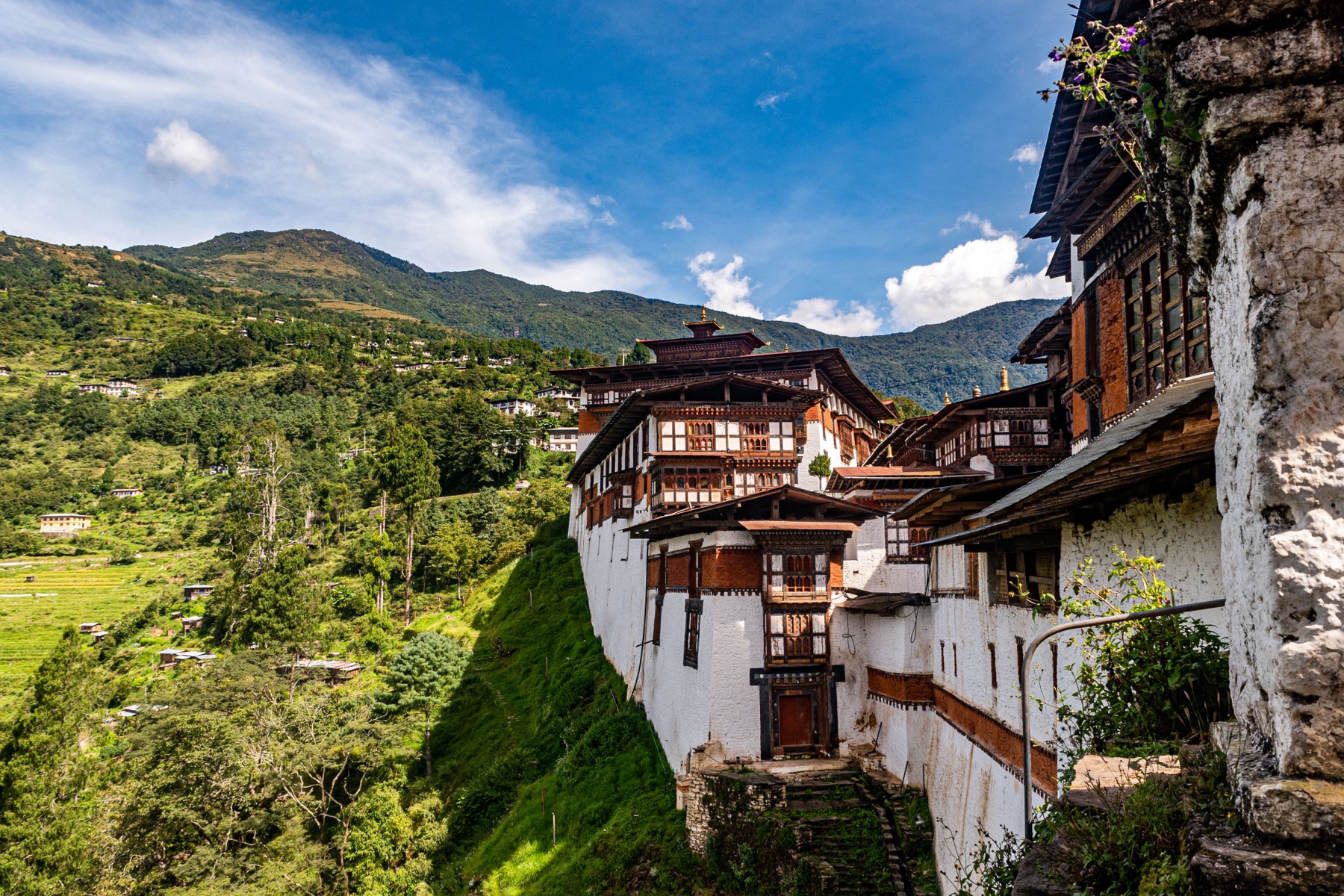
- Gangtey Monastery overlooking the valley floor
- Power lines buried underground to protect crane habitat
- The Black-Necked Crane Information Centre and observation point
- Wide open grassland framed by pine-forested ridges
Things to Do
- Watch black-necked cranes from the observation point (Nov–Feb)
- Walk the Gangtey Nature Trail across the valley floor
- Visit the Black-Necked Crane Information Centre
- Explore Gangtey Monastery on the ridge above the valley
- Stay overnight in a valley lodge for sunrise over the grassland
Popular Places
Black-Necked Crane Information Centre
A small visitor centre with telescopes and exhibits on the cranes that winter in the valley each year.
Gangtey Nature Trail
An easy, well-marked walk across the valley floor through pine forest, meadow, and farming hamlets.
Gangtey Goemba
The 17th-century monastery on the ridge above Phobjikha, seat of the Pema Lingpa lineage of Nyingma Buddhism.
Cold for its elevation, especially in winter, with frequent frost and a raw, misty chill that settles into the valley floor. Summers are cool and green, and the valley can turn foggy with little warning at any time of year.
Send us an enquiry — free itinerary customization.